Lost and found animal stories · 10 November 2026
Archie came home after three years. The missing years still matter
A charity located him, his family received him safely, and police began reviewing new lines of inquiry. The gaps in between should remain gaps until evidence fills them.
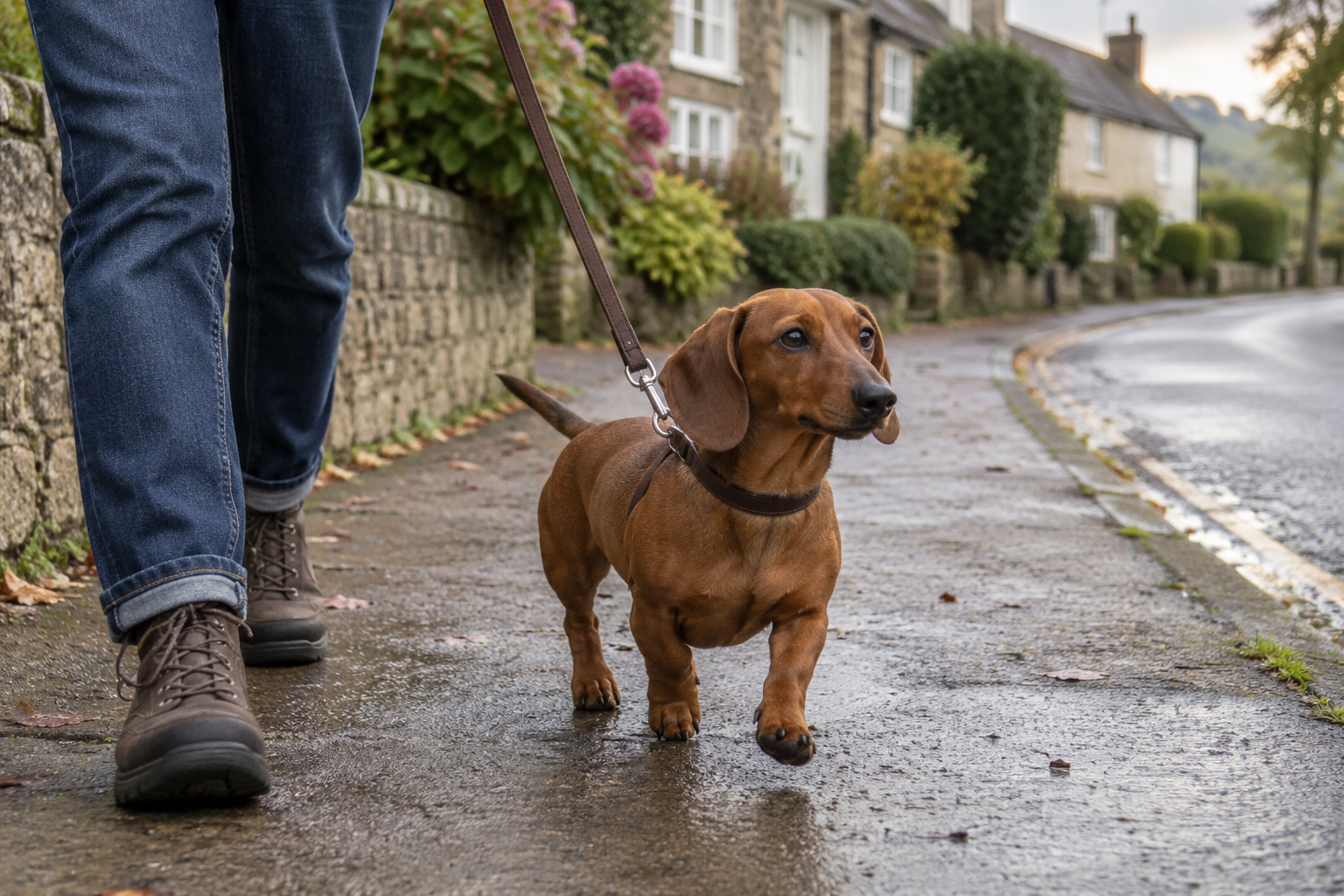
A missing dog changes the way an owner looks at ordinary streets. Sue Johnson described scanning every dog she passed, whether she was walking or travelling by car. For three years, any small shape in the distance could trigger the same question. Then, in August 2025, Archie was located and returned to her in Bridgwater, Somerset. The dachshund had been reported stolen, not merely lost. His homecoming brought relief, but it did not magically supply an account of where he had been or who knew what during those missing years.
BBC News reported that Beauty's Legacy found Archie on a Tuesday and arranged the reunion. The volunteer-led charity works across England and Wales, helping with lost and stolen pets without charging owners. ITV News independently confirmed the central outcome: Archie was safely home in Bridgwater after three years. Those reports establish the return, the role of the charity and the continuing police interest. They do not provide a complete custody trail. That distinction is not a minor editorial caution; it protects the investigation and prevents a hopeful story from turning rumour into fact.
Sue said Archie looked as though he had been cared for and had not been treated roughly. She was thankful that somebody had looked after him. It is a generous response, but good physical condition cannot answer every ownership question. A person currently caring for an animal may have obtained it in good faith, may have incomplete information, or may know more than has been made public. Avon and Somerset Police said new information had been passed to officers and that potential new lines of inquiry would be reviewed. No responsible account should decide the result for them.
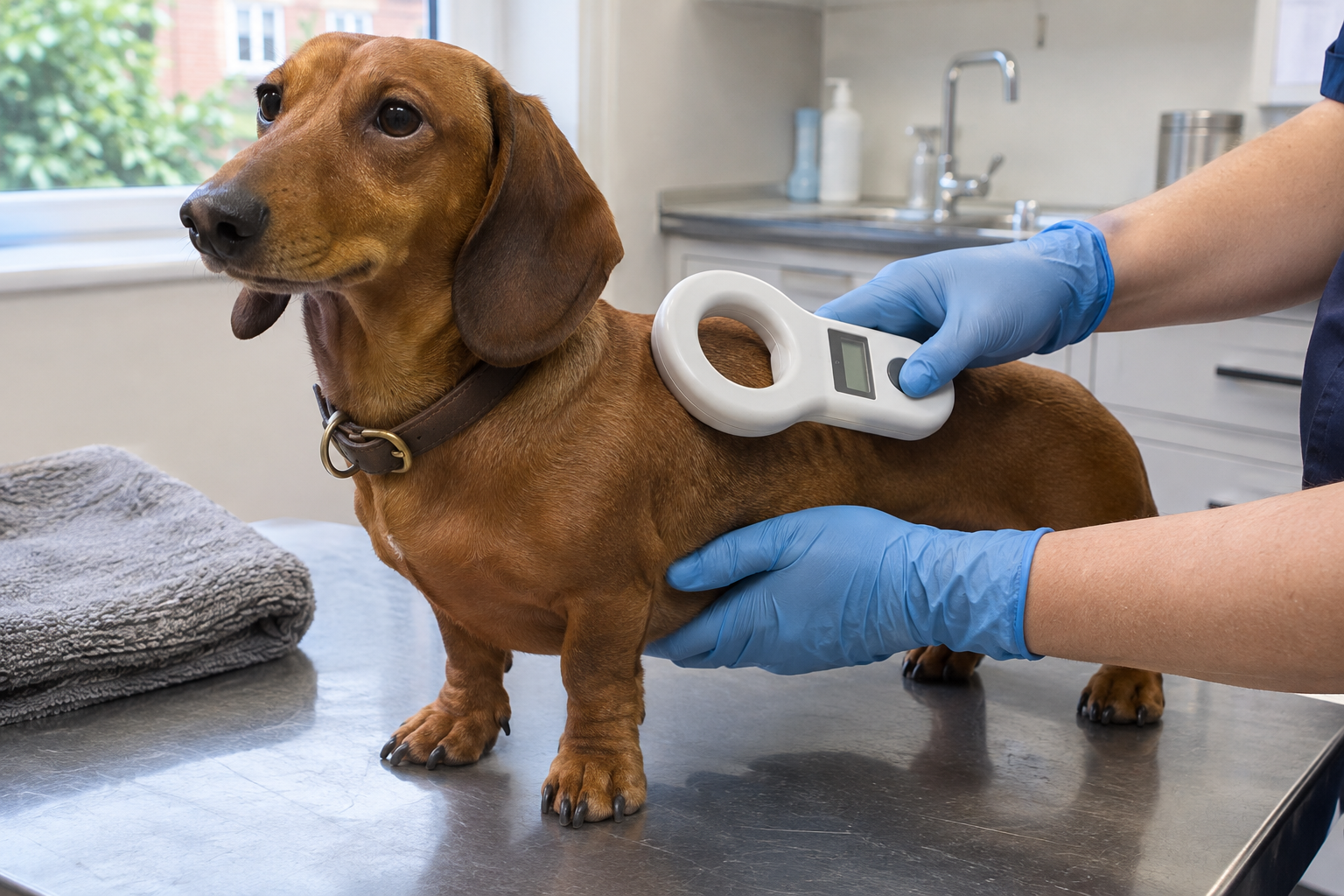
This separation between welfare and evidence is useful in every recovery. First, keep the animal safe. Arrange a scan, record who found the dog, and preserve the original details of the sighting. Second, verify identity through more than a public description. Third, pass evidence about suspected theft to the relevant authorities. None of those steps requires a confrontation. In fact, an angry private approach can frighten a dog, cause a person to disappear with it, or contaminate the information that investigators need.
Lisa Dean, senior animal welfare officer at Beauty's Legacy, told the BBC that a recovery after three years was still rare, despite improving success around the country. A long-running search therefore needs to survive changes in attention. Social posts fall down timelines, posters weather, and telephone numbers expire. Owners should keep one master record containing the police or local-authority reference, microchip number, current contacts, distinctive features, veterinary evidence, and a dated log of sightings. New publicity can then point back to a stable source instead of creating five conflicting versions of the same case.
Images deserve the same discipline. Keep unedited recent photographs of the animal from both sides, along with clear views of the face and permanent markings. When somebody sends a possible sighting, ask for the original file if it is safe to do so, the time, the precise location and the direction of travel. Do not publish every detail immediately. One undisclosed characteristic can help distinguish the real owner from a person making a vague claim, while investigators may need other facts kept out of public circulation.
Prevention also features in Archie's story. Beauty's Legacy advises owners to vary routines and never leave dogs unattended, including in cars. Predictability can expose a repeated moment when an animal is alone. Changing a route is not a guarantee, and theft is never the owner's fault, but small layers reduce opportunity: a secure gate, controlled access to a garden, a properly fitted lead or harness, supervision outside shops, and agreement within the household about who is responsible for the dog at each handover.
Microchipping belongs in that layered system, though it is often misunderstood. A chip does not broadcast a dog's position. It provides an identification number that an authorised reader can match to a database record. If the keeper's address and telephone number are out of date, a scan may start another search rather than finish one. Owners should check the registration after moving home or changing contact details and should ask their vet to confirm that the chip can still be read during routine care.
Finders carry responsibilities too. A person who picks up a wandering dog should contact the appropriate local service, rescue or veterinary professional and arrange identification checks. Handing the animal to the first caller is risky. Ask for earlier photographs, veterinary documents and details that were not included in the public post. Conversely, privately keeping a found dog while waiting to see what happens can separate it from a searching family. Kind care and prompt reporting should happen together, not as alternatives.
A reunion after years needs a quieter plan than the television moment suggests. The dog may know different routines, food, voices and places. A veterinary assessment comes first, followed by rest and careful observation. Introductions to children or other animals should be gradual. Owners can watch appetite, sleep, mobility and signs of stress without forcing affection or testing whether the dog remembers a command. The public reports do not tell us Archie's private adjustment in detail, so it would be wrong to narrate feelings on his behalf.
What the record does show is a chain of useful roles. Sue kept Archie's identity alive. Beauty's Legacy located him and helped bring him home. Journalists confirmed the reunion. Police retained the task of examining what had happened. LollyMap's lesson is not that persistence alone guarantees recovery. It is that persistence works better when the case remains searchable, the evidence remains organised and every new lead can reach people equipped to verify it. Hope is emotional; a recoverable case file is practical. Families facing a second or third year need both.
Case sources
- BBC News — Stolen dog reunited with family after three years
- ITV News — Family reunited with missing dog after three years
- Beauty's Legacy — About the volunteer missing-pet search charity
Original LollyMap reporting based on the sources listed. The public reports do not account for Archie's full three-year absence, and the police inquiry was ongoing when they were published.